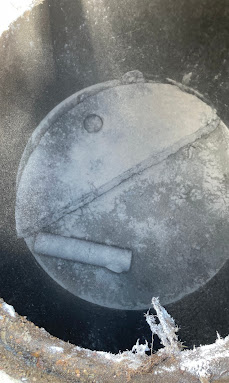
If you have bought a home with onsite wastewater treatment, check its approval and service paperwork. Knowing the system type helps you book the right work and keep track of maintenance.
What a septic tank does
In a conventional septic tank, solids settle as sludge and fats float as scum. Liquid passes through to an approved land disposal area, often absorption trenches. Solids accumulate in the tank and need to be removed by a pump-out.
The tank itself may use gravity, but some installations also have pumps. A power connection alone does not identify the system.
What an AWTS does
An Aerated Wastewater Treatment System uses additional treatment stages, including aeration. Its pumps, blower and controls need maintenance as well as occasional sludge removal.
The system's approval specifies how its treated effluent may be discharged on the property. Do not assume it can be used anywhere in the garden or for other household purposes.
Clues to check at your property
- Records and labels: look for the model name, council approval and past service reports.
- Controls or alarms: an AWTS commonly has powered equipment and an alarm panel.
- Disposal area: irrigation pipework can be a clue, but it does not confirm the system type on its own.
- Previous contractor: a service provider may already have the system details on file.
Leave lids in place when checking. A description or a photo taken safely from outside the tank can help us understand what is installed.
Cleaning and servicing are different jobs
Septic tank cleaning removes built-up waste. An AWTS also needs servicing of its treatment equipment. A pump-out does not replace that servicing. Follow the system's instructions and approval conditions for both. Read NSW Health's overview of onsite wastewater and local council requirements.
See our AWTS cleaning service for pump-out work, and tell us which make and model you have when calling. If drains are backing up or an alarm has activated, describe that before booking a routine clean.
Looking after either system
Keep wipes, cooking oil and food scraps out of the drains, spread out heavy water use and keep service records. Our care guide covers habits that help between visits.