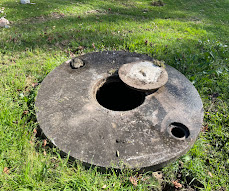
An AWTS (Aerated Wastewater Treatment System) is a small sewage treatment plant sitting quietly in your backyard. Unlike a simple septic tank that just separates solids and lets liquid soak away, an AWTS actively treats your wastewater to a much higher standard so the finished effluent can be safely irrigated over your garden. That extra treatment power is exactly why these systems need a bit more attention — and why regular cleaning and servicing matters so much. Below we explain what your system does, the warning signs to watch for, what our clean involves, and what it costs.
What is an AWTS and how is it different from a septic tank?
A basic septic tank is a single (sometimes double) chamber. Solids settle to the bottom as sludge, grease and lighter material float as a scum layer, and the partially treated liquid flows out to a soakage trench or absorption field. It relies on bacteria that work without oxygen, so treatment is fairly limited.
An AWTS takes things several steps further. Wastewater moves through multiple chambers, and the heart of the system is the aeration chamber, where a blower pumps air into the liquid. That oxygen feeds a much more active colony of aerobic bacteria, which break down waste far more thoroughly. From there the water usually passes through a clarifying chamber and often a disinfection stage before a pump sends the treated effluent out to irrigation lines across your yard. In short, an AWTS has:
- Multiple chambers rather than one, each with a job to do
- An air blower and aeration chamber that supercharge the bacteria
- A pump chamber that irrigates treated effluent rather than just letting it soak away
- Alarms and electrical controls to warn you when something is wrong
Because it produces cleaner effluent that is dispersed over the surface of your property, an AWTS is held to a higher regulatory standard — which brings us to servicing. If you want a fuller side-by-side breakdown, we have written a dedicated comparison you can read as further reading: septic vs AWTS explained.
Why AWTS units need both desludging and regular servicing
People often assume that because an AWTS is "self-treating", it can be left alone. Two things get in the way of that. First, solids still accumulate. Over the years, sludge builds up in the primary chamber just as it does in a septic tank, and if it is never pumped out it starts carrying over into the aeration and irrigation stages — ruining the treatment quality and clogging your dispersal lines. That is the desludge job.
Second, an AWTS is a mechanical and electrical system. The blower, the pumps, the air diffusers, the disinfection dosing and the alarms all need periodic checking. This is where compliance comes in: in New South Wales, most councils require AWTS owners to hold a current service agreement and to submit service reports, commonly every three months (quarterly). Miss those reports and you can find yourself out of step with your council's approval to operate.
So the two tasks work hand in hand. Routine servicing keeps the mechanical side healthy and your paperwork current, while periodic desludging clears out the accumulated solids that no service check can fix. Skip either one and the whole system suffers.
What our AWTS clean and desludge involves
When we come out to clean and desludge your AWTS, we work methodically so nothing gets missed:
- We locate and safely open each access lid, checking condition as we go.
- We assess sludge and scum levels across the chambers so you know where the system is at.
- We pump out accumulated sludge and solids with our vacuum tanker, removing the buildup that compromises treatment.
- We give the chambers a proper clean-down and check the baffles and transfer points between chambers.
- We inspect the visible mechanical components — blower, pump and air lines — and note any faults or wear.
- We check the alarm and controls are doing their job.
- We remove and legally dispose of all waste at a licensed facility, and talk you through anything that needs attention.
We have been doing this across Sydney for more than 25 years, we are fully licensed and insured, and we turn up when we say we will. If your visit uncovers a bigger issue — say a failed blower or a blocked irrigation line — we will explain it plainly and give you options rather than a scare.
Don't wait for it to get worse — we're on call 24/7 and can talk you through it or come out fast.
Call 0434 048 887Warning signs your AWTS needs attention
Your system will usually tell you when something is wrong — the trick is knowing what to listen and look for. Call us if you notice any of these:
- The alarm is sounding or the warning light is on. This most often points to a blower or pump fault, or a high water level. It is the system asking for help.
- Foul or sewage smells around the tank or over the irrigation area. Healthy aerobic treatment should not smell offensive.
- Poor effluent quality — cloudy, grey or smelly water where clear, odourless irrigation should be.
- Wet, boggy patches or pooling near the dispersal lines, which can signal blockage or an overloaded system.
- The blower has gone quiet or is making unusual noises — no aeration means treatment quickly falls over.
- Gurgling drains or slow-draining fixtures inside the house.
Any of these are worth a phone call. Left alone, a small mechanical fault can turn into a full system failure and a much larger bill.
How often should an AWTS be desludged and serviced?
These are two separate schedules and it helps to keep them clear in your mind:
- Routine servicing is typically done every three months to satisfy council requirements and keep the mechanical side healthy. This is the quarterly service report most owners are required to lodge.
- Desludging is far less frequent — often every three to five years — but it depends heavily on how many people live in the home, how the household uses water, and the size and model of your system. A busy family will fill the sludge chamber faster than a couple.
The honest answer is that the right desludge interval is best judged by what we find in the tank. When we assess your sludge levels during a visit, we will give you a realistic timeframe for the next pump-out so you are neither paying too often nor letting solids carry over.
What does AWTS cleaning cost?
We keep pricing straightforward. The cost of an AWTS clean and desludge depends mainly on the size and model of your system and how easy it is for our tanker to reach it — access on rural blocks can vary a lot. Rather than surprise you, we quote a fixed, upfront price over the phone once we understand your setup, and that is what you pay when the job is done. There are no hidden fees and no charges bolted on afterwards. Give us a call on 0434 048 887 and we will sort out an accurate price before we book you in.
What to expect on the day
We aim to make it easy. We will confirm a time that suits you, arrive with everything needed to complete the job in one visit, and keep disruption to a minimum. Most cleans are done and dusted in an hour or two depending on the system. Before we leave, we will let you know the condition of your unit, flag anything to keep an eye on, and tell you when the next desludge is likely to be due. All waste leaves with us and is disposed of legally — you are not left with a mess.
Frequently asked questions
Do you provide the quarterly service reports my council asks for?
Our focus is the cleaning and desludging side — the pump-out that keeps solids from compromising your system. If your council requires ongoing quarterly servicing and reporting, give us a call and we will point you in the right direction and make sure the desludge side of your obligations is covered. It is always worth checking your specific council's requirements, as they vary across Greater Sydney.
Can a blocked or failing AWTS make my irrigation area wet and smelly?
Yes. When solids carry over or a pump or blower fails, treatment quality drops and you can get boggy, smelly patches over your dispersal lines. It is one of the most common signs we are called out for, and it usually clears up quickly once the system is cleaned and any faulty component is addressed.
Is an AWTS clean the same as a septic tank clean?
The pump-out principle is similar, but an AWTS has more chambers and mechanical parts, so there is more to check. If you actually have a conventional septic system, our septic tank cleaning service is what you are after. Not sure which you have? Call us and describe your setup — we will work it out in a minute.
What else should I keep clear on my property?
Plenty of rural blocks also have other drainage to look after. Alongside your AWTS we handle sewer pit cleaning and stormwater drain cleaning, so if you want everything sorted in one go, just mention it when you call. You can see the full list on all our services.
How quickly can you come out if my alarm is going off?
We are available 24/7. If your alarm is sounding or the system is smelling, ring us straight away — we will either talk you through the immediate steps or get out to you as soon as we can, day or night.
Where we service AWTS units
We are based in Berkshire Park and cover a 50km radius across Greater Sydney, which takes in the acreage and rural-residential areas where AWTS units are most common — the kind of blocks stretching out through the Hawkesbury, the Hills and the western suburbs. That includes plenty of work around Penrith and the surrounding district. To check we reach your street, see the areas we serve, and if you need more than an AWTS clean, take a look at our septic tank cleaning and stormwater drain cleaning services too. Whatever your system, one call on 0434 048 887 gets it sorted.