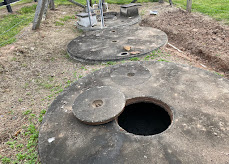
If you have moved into a property with a septic system, find out when the tank was last pumped. Ask the previous owner for service records and check any maintenance instructions supplied with the system.
How often does a septic tank need pumping?
Three to five years is a common guide for household septic tanks, but it is not a fixed interval for every property. A smaller tank serving a large household may need attention sooner. Use the advice from your last inspection, your system's instructions and any maintenance requirements for the property.
A septic tank normally contains liquid. A pump-out removes accumulated sludge and scum; seeing water inside does not, by itself, tell you that a clean is due.
What affects your schedule?
- Tank capacity: the size of the tank affects how much waste it can hold between cleans.
- People using the system: extra residents and regular guests increase the load.
- Water use: frequent washing, long showers and leaking fixtures add wastewater.
- Food waste and grease: these add solids and can cause problems in the pipework.
Do you need to bring the next clean forward?
Slow drains, gurgling toilets, sewage smells or wet ground near the absorption area need attention. They can have several causes, so do not assume a pump-out alone will solve them. Read our guide to septic warning signs for what to look for.
Keep the service details together
Record the pump-out date, what was found and the recommended next service. Keep the invoice with your property records. Tell the contractor if the household has grown or the way you use the property has changed.
Book a pump-out in Sydney
STC Tank Cleaners provides septic tank cleaning across Sydney, within a 50km radius of Berkshire Park. When you call, have your suburb, tank details and last service date ready if you know them. For day-to-day care, see our maintenance advice between cleans.