Keep wipes and rubbish out of the toilet
Put wipes, sanitary products, cotton buds and similar waste in the bin. Do not rely on a flushable label when deciding what to send into your septic system.
Keep food scraps and cooking oil out of the sink
Scrape plates before washing and use sink strainers. Collect used oil separately for disposal rather than pouring it down the drain. These habits reduce the extra waste entering the tank and pipework.
Use cleaning products as directed
Follow product labels and your wastewater system's instructions. Do not pour paint, solvents, pesticides or large quantities of unused chemicals into drains. Avoid trying to treat a septic blockage by adding drain chemicals.
Spread out heavy water use
Several loads of washing in a short period add a lot of wastewater at once. Spread laundry across the week where practical, repair leaking taps and toilets, and avoid running several water-heavy appliances together.
Look after the absorption area
- Keep vehicles off the tank and absorption area.
- Keep roof water and other stormwater away from the wastewater disposal area.
- Check the system layout before planting trees or doing landscaping nearby.
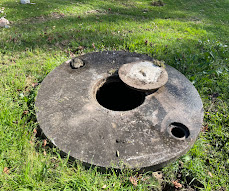
- Keep access to tank lids clear for the contractor, without opening them yourself.
If you do not know where the tank or trenches are, look for the layout in your property records before digging or building.
Keep the pump-out schedule
Good habits do not remove the sludge already in the tank. Keep the last service report and follow the recommended schedule. Our guide to septic pump-out timing explains what can change the interval.
Report changes before they get worse
Watch for persistent smells, gurgling drains, slow flushing or wet ground near the system. Read the warning signs guide and call if anything changes. For planned cleaning, see our Sydney septic tank service.