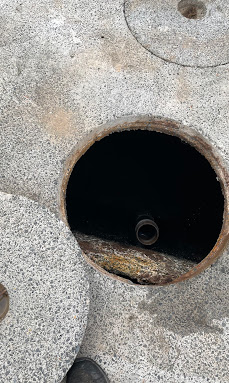
How a grease trap works
Wastewater enters the trap from the kitchen. Fats and oils rise towards the surface while heavier food solids settle. Water continues through the outlet, leaving much of that waste behind.
The collected grease and solids need removal. As they build up, they reduce the trap's working capacity and can contribute to odours, blocked drains or wastewater backing up.
Use the schedule for your premises
The right pump-out interval depends on the trap's size, kitchen activity and the requirements applying to your premises. Check your trade waste paperwork and service records. See Sydney Water's grease trap servicing guidance and retail food trade wastewater requirements. A general online interval should not replace those instructions.
If your opening hours, menu or volume of meals has changed, tell your service provider. The amount of grease and food waste entering the trap may have changed too.
Signs that need attention
- Persistent smells near the trap or kitchen drains.
- Drains taking longer than usual to empty.
- Wastewater backing up or escaping around the trap.
- A missed clean or no clear record of the last service.
These signs need checking rather than assuming the next scheduled clean will be enough. If wastewater is overflowing, keep staff away from the affected area and call to discuss the job.
Reduce waste entering the trap
- Scrape plates, trays and pans before washing.
- Use sink strainers and empty them into the bin.
- Collect used cooking oil separately for disposal.
- Keep the service log somewhere staff can find it.
These practices help between visits, but they do not replace a pump-out.
Keep access and records ready
When booking, give the trap location and capacity if known, your opening hours and any restrictions on access. Ask what service documentation will be supplied and keep it with the premises' trade waste records.
Grease trap cleaning in Sydney
STC provides grease trap cleaning and emergency pump-outs within its Sydney service area. Call with your suburb and the symptoms so we can discuss timing and access. You can check the areas we cover before booking.